Sleep Comfort Guide
Choosing a Natural Latex Comfort Layer by Firmness and Sleep Style
A latex layer can give a mattress a gentler landing, a little more lift, or a noticeably different feel. The right choice isn’t simply “soft” or “firm”: thickness, sleeping position, body shape, and the mattress underneath all help determine whether a natural latex comfort layer feels like a welcome refresh or an awkward mismatch.
Published November 4, 2026
There’s a particular kind of bedtime disappointment: a mattress that seems fine when you first lie down, but leaves a shoulder aching, a hip feeling pressed, or a back that never quite settles. A comfort layer made of natural latex may change that first impression. It can add cushioning while keeping a buoyant, responsive feel—less like sinking into a slow-moving hug and more like being gently supported from beneath.
But latex isn’t a one-setting solution. A softer layer may ease pressure for one sleeper and feel too yielding for another. A thicker layer can make a more dramatic change than a thin one, while the firmness of the mattress below remains part of the equation. The most helpful way to choose is to think about the bed as a complete sleep surface: your position, comfort preferences, support needs, existing mattress, and bedding all matter.
This guide explains how latex firmness and thickness can influence the feel of a bed, what side, back, and stomach sleepers may want to consider, and how to assess an organic latex sleep setup without assuming one configuration works for everyone.
First, what is a latex comfort layer?
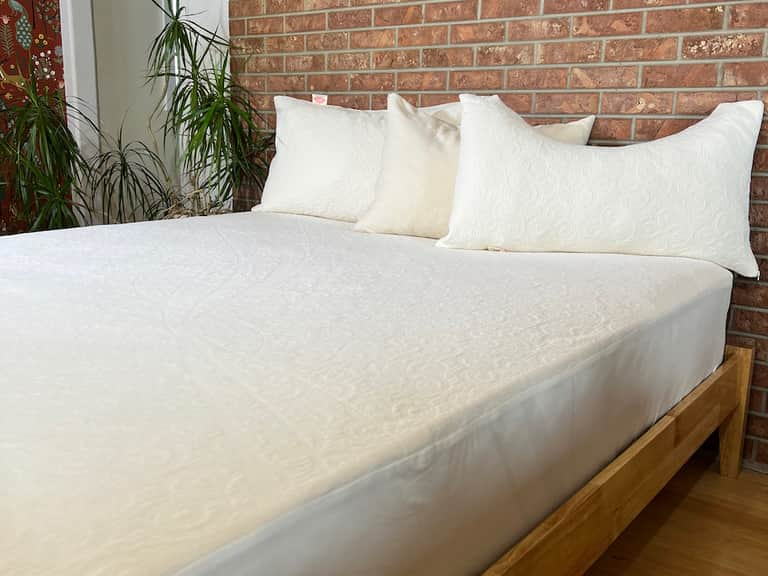
A latex comfort layer is a piece of latex foam placed on top of a mattress to alter its surface feel. Depending on its firmness and thickness, it may add pressure-relieving give, a more supportive sensation, or a slightly different balance between cushioning and pushback. It can be used as part of a mattress design or as a separate layer added to an existing bed.
Natural latex is made using latex from rubber trees, though the details of a specific product’s materials and manufacturing process can vary. “Natural” and “organic” are not interchangeable labels: organic claims relate to particular standards and certifications, so anyone prioritizing organic latex should check the product’s documentation rather than rely on a broad marketing description. This guide focuses on how a latex layer may feel, not on treating any label as a guarantee of performance.
Latex is often described as responsive. When you shift position, the surface generally changes with you rather than holding a deep impression for a long time. Its feel can vary considerably, however. A soft latex layer is still latex; it doesn’t necessarily feel like a plush fiber pad or slow-moving memory foam. Firmness, formulation, construction, and the mattress beneath it all affect the experience.
Firmness: the balance between cushioning and support
Firmness describes how a layer feels under pressure, but it is a personal sensation—not a universal measure of comfort. Two sleepers can try the same latex layer and come away with different impressions because their bodies, positions, preferences, and mattresses differ. Labels such as “soft,” “medium,” and “firm” are useful starting points, not promises that a layer will feel identical on every bed.
A softer layer usually compresses more readily. For some people, that added give can make the shoulders and hips feel less exposed to a hard surface. A firmer layer may compress less and offer a more level, stable feel. It can suit someone who dislikes a pronounced sink, but a very firm surface may also feel unforgiving if it doesn’t provide enough room for pressure-sensitive areas to settle comfortably.
The mattress underneath is a major part of this balance. A soft layer on a firm mattress may create a cushioned top with support below. A soft layer placed on an already-soft mattress may feel too yielding, especially if the sleeper’s hips sink farther than is comfortable. Likewise, a firmer latex layer over a mattress with a distinctly plush surface may not completely change the deeper feel of the bed.
In practical terms, ask what you want to change. Is the mattress generally supportive but too hard at the surface? Are you looking for a more buoyant feel rather than a slower, contouring one? Or does the whole bed feel too soft? A comfort layer can adjust the surface experience, but it cannot reliably correct every issue with the underlying mattress.
How sleeping position can guide the choice
Sleep position gives you useful clues about where pressure and alignment concerns may show up. It does not dictate a single correct firmness. Comfort, body proportions, how often you move, and any existing aches are relevant, too. Use the following as a way to narrow the questions—not as a rigid prescription.
Side sleepers: make room for shoulders and hips
Side sleeping puts more concentrated pressure on the shoulder and hip than many other positions. If a mattress feels hard or creates uncomfortable pressure in those areas, a softer latex comfort layer may provide a more forgiving surface. The aim is to allow enough cushioning without letting the middle of the body sink so far that the sleeping position feels twisted or unsupported.
A layer that is too firm may leave the shoulder feeling crowded against the bed. One that is too soft, particularly when paired with a soft mattress, may make the hips sink excessively. If you sleep on your side most of the night, notice both pressure relief and the overall feeling of alignment; a pleasant first few minutes are not the only measure.
Back sleepers: look for comfort without excessive sag
Back sleepers often want a surface that cushions the body while maintaining a steady, even feel. A medium-feeling latex layer may be a reasonable place to begin if the mattress is firm but lacks surface softness. However, someone who prefers a flatter, firmer bed may find a softer layer too enveloping, while a person seeking more cushioning may find a very firm layer doesn’t change the surface enough.
Pay attention to how the lower back and pelvis feel as you settle in. The goal is not to force a particular posture or promise relief from pain. It is to find a surface that feels comfortable and supportive to you, without a noticeable sense of sagging or pressure.
Stomach sleepers: be cautious about adding too much softness
Stomach sleeping can make excessive sinkage around the middle feel especially noticeable. For this reason, a firmer latex layer—or no added layer at all—may be more comfortable for some stomach sleepers than a thick, soft one. The right choice still depends on the existing mattress and individual preference, but it is worth being conservative when adding cushioning to a surface that already feels soft.
If you sleep on your stomach and the mattress feels unstable or too plush, adding a soft comfort layer may intensify that sensation. Consider whether the bed needs more surface softness at all, and evaluate the entire mattress rather than focusing on the latex alone.
Combination sleepers: think about movement, too
People who change positions during the night need a surface that feels comfortable in more than one posture. Latex’s responsive character may appeal to sleepers who prefer a bed that feels easier to move around on, but softness and thickness still influence how far the body settles. A middle-ground firmness can be a useful starting point for someone who alternates between side and back sleeping, though personal testing is more informative than a label.
Thickness changes how much you feel the layer
Thickness is more than a measurement on a product page. It influences how much the new layer can alter the sensation of the mattress below. A thinner latex layer may make a comparatively subtle adjustment, while a thicker one can create a more noticeable change in cushioning and surface feel. The exact result varies with firmness, construction, the sleeper, and the mattress it rests on.
If you’re broadly comfortable with your mattress but want a little more softness or a slightly different response, a modest layer may be enough. If the surface feels distinctly too firm, more thickness could provide a larger change. Yet adding thickness is not automatically better. A thicker, softer layer can make an already-plush bed feel less stable, and a comfort layer won’t necessarily resolve a mattress that is worn out or unsupportive.
Before choosing, consider the total height of the bed. A new layer can affect how fitted sheets sit and whether their pockets accommodate the combined mattress and added material. It may also change the height at which you get in and out of bed. Those practical details are easy to overlook when comparing firmness specifications, but they can shape whether the new setup feels convenient in everyday use.
The mattress underneath still matters
Think of a latex layer as one part of a system, not a stand-alone fix. Its feel depends on the surface and support beneath it. On a firm, even mattress, added latex may provide a more comfortable buffer. On a sagging mattress, however, a topper may follow the dips rather than restore the support that has been lost. A comfort layer changes the upper feel; it does not rebuild the mattress core.
Start by checking the mattress itself. Does it feel consistently uncomfortable across the bed, or is the problem limited to one area? Is there visible sagging? Does the bed feel different when you sleep in another position? These observations can help distinguish a surface-comfort issue from a deeper support concern.
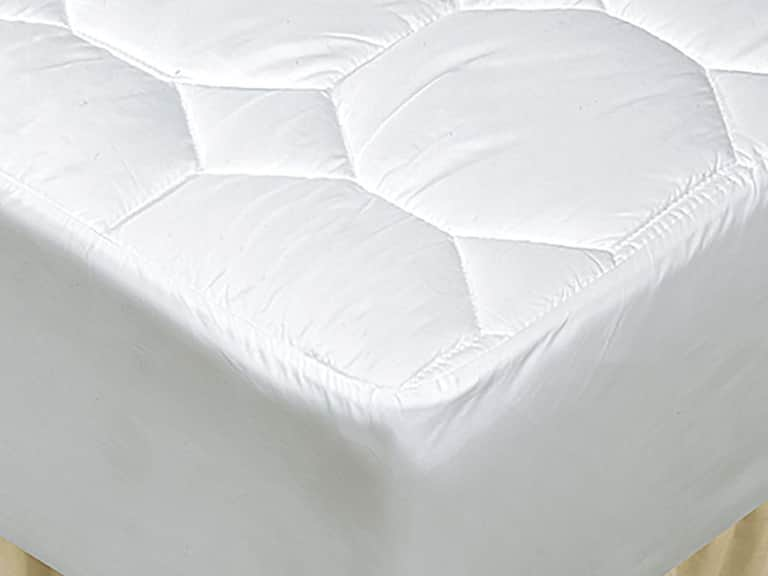
Also consider any existing mattress pad or protector. A thick quilted layer can add cushioning or change the way a latex surface feels, while a snug, thin protector may have less noticeable effect. If you plan to use the same bedding, check whether it can accommodate the added thickness without pulling tight or slipping out of place.
Temperature, movement, and the small details
Comfort is not only about pressure. Temperature, movement, and how the layers stay in place can all influence whether a new setup feels right. Latex is often chosen by people who prefer a more responsive surface, but no material guarantees that every sleeper will feel cool. Bedding fabric, room conditions, mattress construction, and personal temperature preferences all play a part.
If you tend to feel warm, look at the complete bed rather than assuming the latex itself will solve the problem. Consider the mattress, sheets, protector, blankets, room temperature, and how much insulation the added layer creates. A dense or bulky layer may feel different from a thinner one, and the cover or bedding above it can influence airflow and surface sensation.
Movement matters, too. A layer that shifts during the night can become a daily annoyance, even if its firmness feels promising. Check the layer’s dimensions, the mattress size, the cover arrangement, and any recommendations for keeping it secure. A well-fitted sheet may help hold the bedding together, but compatibility depends on the total depth of the bed.
A simple way to make a more confident choice
Rather than starting with a firmness label, start with a clear description of what you want to change. That makes it easier to compare latex options and less tempting to assume that “softer” or “thicker” is automatically the answer.
- Identify the discomfort. Is the surface too firm, too soft, too warm, or simply not responsive enough?
- Consider your usual position. Note whether you sleep mostly on your side, back, stomach, or a combination.
- Assess the mattress underneath. A layer is more likely to help with surface feel than with a worn or sagging support system.
- Choose thickness with the scale of the change in mind. A subtle adjustment and a major surface change are different goals.
- Check practical compatibility. Confirm measurements, total bed height, fitted-sheet depth, and care instructions.
- Look for a clear trial and return policy. When available, a sensible home evaluation period can help you judge the layer under your actual sleep conditions.
When you try a new setup, give yourself time to notice patterns rather than judging only by the first night. Pay attention to whether you wake with pressure, whether changing positions feels easy, and whether the bed feels comfortable across several nights. If discomfort persists or you have a health concern, a bedding change is not a substitute for advice from a qualified healthcare professional.
Natural and organic latex: read the details carefully
People searching for organic latex mattresses or an organic latex comfort layer may also be weighing material transparency, certifications, and the feel of a more natural sleep setup. Those concerns are valid, but it helps to separate material claims from comfort claims. A certified material does not, by itself, establish that a layer is the right firmness or thickness for a particular sleeper.
Review the manufacturer’s material description and certification information, including what the certification applies to. Check whether it refers to the latex itself, the cover, or the finished product. If you have sensitivities or specific material requirements, examine the full construction and contact the manufacturer with questions rather than assuming every component shares the same composition.
Care instructions deserve attention as well. A comfort layer may have particular requirements for handling, airing, or cleaning. A removable cover and a mattress protector can help make routine care easier, but their compatibility and washing directions vary. Follow the instructions supplied with the actual materials in your bed.
Common selection mistakes to avoid
One frequent misstep is choosing based on a sleep-position rule alone. Side sleepers are often told to choose soft, or stomach sleepers firm, but those shortcuts leave out the mattress beneath, the sleeper’s preferences, and the possibility that a layer will change the bed more than expected. Position is a helpful clue, not a final verdict.
Another is assuming that a thicker layer must be more comfortable. Thickness can amplify the change, but a larger adjustment may also make the bed feel too plush or alter its overall stability. Similarly, buying the firmest option in the hope that it will “fix” a soft mattress can disappoint if the underlying bed is sagging or uneven.
Finally, don’t treat a material name as a full description of the sleep experience. Natural latex can come in different firmnesses and constructions, and the surrounding layers matter. Compare the details that affect your situation: firmness guidance, thickness, dimensions, cover, care requirements, and return terms.
The takeaway: choose for the bed you have
The best natural latex comfort layer is not the one with the most impressive label or the thickest profile. It is the one that makes sense for your existing mattress and the way you sleep. Side sleepers may want to explore added give around the shoulders and hips; back sleepers may seek a balance of cushioning and steadiness; stomach sleepers may want to avoid adding more softness than they need. Combination sleepers can focus on a responsive feel that remains comfortable as they move.
Firmness sets the general character of the layer. Thickness influences how much it changes the surface. The mattress, bedding, body, and personal preferences complete the picture. When you evaluate all of those pieces together, choosing becomes less about chasing a universal “perfect” setup and more about finding a sleep surface that feels right for you, night after night.
Frequently asked questions
Is a softer latex layer always better for side sleepers?
No. A softer layer may help some side sleepers who find their mattress uncomfortable at the shoulders or hips, but too much softness can feel unstable, particularly over an already-plush mattress. The aim is comfortable cushioning without an unwanted sense of sink.
Can a latex comfort layer make a firm mattress feel softer?
It can change the surface feel, and a softer layer may add noticeable cushioning. How much it changes the bed depends on its firmness and thickness, as well as the mattress underneath. It is not guaranteed to resolve every source of discomfort.
Will a latex layer fix a sagging mattress?
A comfort layer is generally intended to adjust the surface, not restore a worn or sagging mattress. If the underlying bed has lost support, adding a new layer may not address the cause of the problem.
Does a thicker comfort layer provide more pressure relief?
It may create a more noticeable change, but thickness alone does not determine comfort or pressure relief. Firmness, construction, sleep position, body shape, and the mattress below all affect how the layer feels.
Does “natural latex” mean “organic latex”?
No. The terms refer to different claims. If organic certification matters to you, check the specific certification and what part of the product it covers. Then evaluate firmness and fit separately, since certification does not tell you whether a layer will feel comfortable.