 Mattresses
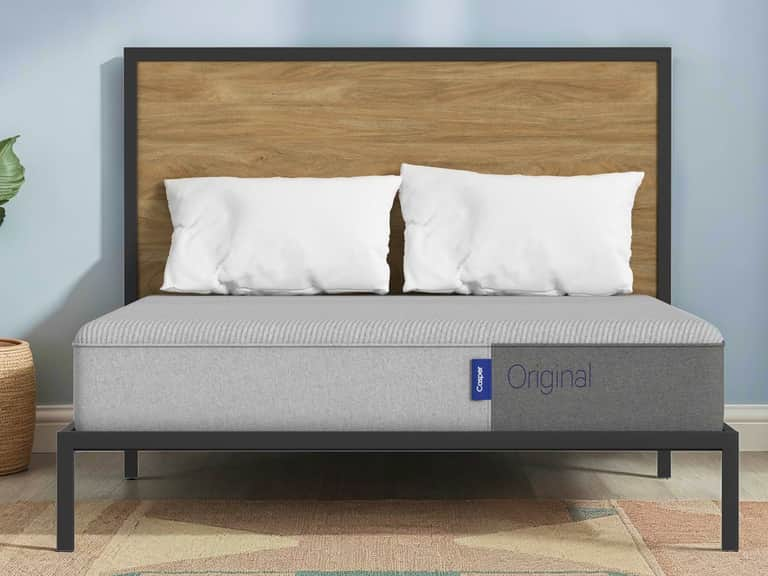
Original Mattress
Sleep cooler with breathable Casper foam, cradle pressure with memory foam, and wake refreshed thanks to three-zone support that keeps your spine aligned and moves with you all night.
Foam mattresses are built to provide adaptive support and pressure relief by using viscoelastic foam layers that contour to body shape. This category explains how different foam densities and core constructions influence spine alignment, motion isolation, and temperature regulation. Understanding these characteristics helps identify suitable options for varied sleep positions and preferences within bedding ecosystems.
Original Mattress emphasizes an zoned support system and breathable materials that balance firmness and conforming comfort. The design often integrates high-density foam with a breathable cover to promote airflow, reduce heat buildup, and sustain durability. This combination addresses common concerns such as partner disturbance and sagging over time.
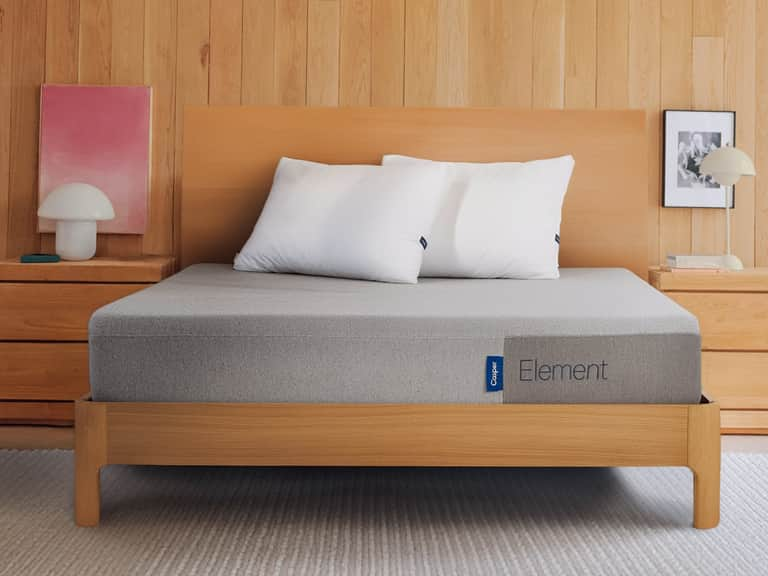
Element Mattress showcases modular layering that can include transition foams and open-cell structures to enhance contouring without excessive sink. Key functional benefits include improved pressure distribution at critical contact points, stable sleep surface for different body types, and easier temperature management through innovative foam technology.
In foam mattress construction, layer arrangement matters as much as overall firmness. Medium to medium-firm profiles typically provide adequate support for the hips and shoulders while maintaining spinal neutrality. Special features such as edge support reinforcements and flame-retardant foams may contribute to long-term comfort and safety across different environments.
Common materials in this category include memory foam variants and polyurethane foams combined with breathable covers and moisture-wicking fabrics. These elements influence lifecycle performance, allergen considerations, and overall sleep quality. When evaluating foam mattresses, it is important to consider compatibility with pillows, sheets, and organic mattress options for a cohesive bedding experience.
Mattresses
 Mattresses