The Essential Guide to Mattress Pads: Types, Benefits, and Buyer Tips
A practical, editorial tour through mattress pads, their materials, and the careful discernment shoppers bring to choosing one that aligns with sleep health, household care routines, and personal comfort.
Introduction: What a Mattress Pad Is—and Isn’t
In the quiet cadence of a bedroom, a mattress pad performs as more than a simple layer. It is a guardian of the sleeping surface, a cushion for the body, and in many cases a moisture manager or allergen barrier. Distinguish it from a top comfort layer, a protector, or a full toppers system: a pad sits atop the mattress and below the sheets, offering a balance of protection, comfort, and breathability without fundamentally changing the firmness of the bed.
The domain mattresspad.co, with its domain-name signals, invites a consumer information hub approach: a space that educates and empowers. The guiding intention here is to present an unbiased, informative perspective on pad types, how they contribute to sleep health, and practical tips for selecting one that complements a homeowner's care routines.
Material Spotlight: Organic Cotton, Wool, Latex, and Waterproof Membranes
The market offers a spectrum of core materials, each with a distinct rhythm for temperature, moisture management, and durability. The four material families discussed below recur across the pad landscape, from heritage brands to modern innovators.
- : A breathable, soft, and often pre-washed surface that remains a classic for those seeking a “natural” sleep environment. Organic cotton pads often emphasize GOTS certification and sustainability, aligning with buyers who value chemical-free fabrics.
- : Wool has a storied history in bedding as a natural regulator of temperature and moisture. The Savvy Rest Natural Savvy Woolsy Mattress Topper demonstrates wool’s capacity to wick moisture, stay cool in warm nights, and feel warmly plush in winter. Wool’s antimicrobial properties add an ambition of cleanliness without synthetic treatments.
- : Natural latex pads, especially those featuring Dunlop-derived latex, provide buoyant support and contoured breathability. Latex is prized by sleepers who want a responsive surface with long-term shape retention and robust allergy considerations, often paired with organic cotton casings for a breathable, durable solution.
- : A waterproof or water-resistant pad protects the mattress against spills, dust mites, and moisture while remaining flexible and breathable in many designs. GOTS-certified organic cotton injunctions are often paired with a thin waterproof barrier—such as TPU layers—to keep the sheet surface quiet and comfortable yet protective.
Buying Guide: How to Evaluate Breathability, Washability, and Fit
Breathability is the invisible rhythm under every comfortable night. Look for pads with quilted or knit faces that encourage airflow, and check the depth compatibility with your mattress. Pad depth selection matters: many deep-pocket pads are designed to stretch over thicker mattresses, while a shallower pad may struggle to stay in place on a plush or pillow-top bed.
Washability is a practical reality. Machine-washable designs, often with gentle detergent and cold water, are ideal for households with children, pets, or allergy concerns. A pad that remains sturdy after multiple wash cycles will outlive cheaper options and preserve its protective qualities longer.
Protection goals shape material choice. If protection from accidents is paramount, waterproof membranes will feature prominently. If you seek a subtle enhancement to comfort without altering bed feel, organic pads or wool toppers can deliver quietly. For those balancing price and value, a mid-range pad with solid construction and reputable materials may be the sweet spot.
Historical Perspectives: Three Key Figures Across Time
Across centuries, sleep technology has often advanced through the convergence of practical needs and natural materials. Three imaginative figures—each tied to distinct moments—help illuminate how mattress padding evolved:
- Ancient Insomniac: The Wool Artisan — In textile traditions, wool has long been a staple for insulating warmth and managing moisture. A medieval or early modern artisan who wove wool batting into a custom topper would be an archetype for today’s wool mattress pads: a simple yet sophisticated approach to comfort, using the natural properties of wool to maintain a balanced sleeping environment.
- Industrial Era Quality Controller: The Cotton Steward — The rise of organic and long-staple cotton in bedding parallels a cultural shift toward purity and safety in textile production. The Cotton Steward would represent a era when families sought reliability in cotton goods—calibrating weave quality, thread counts, and fabric safety as a foundation for better sleep hygiene in homes.
- Contemporary Eco-Design Architect: The Wool and Linen Futurist — Modern craft blends, such as wool in combination with organic cotton envelopes or linen-inspired fabrics, demonstrate how sustainable materials can be engineered into protective, comfortable pads. This figure imagines a future of sleeping surfaces informed by environmental stewardship, with products that balance memory-foam-grade comfort with natural fibers and transparent supply chains.
These archetypes, though fictional, echo a lineage of care and craft that sits behind today’s mattress pads. They remind readers that the pad market is a living conversation among materials, design, and the everyday ritual of sleep.
Product Spotlight: Savvy Rest Natural Savvy Woolsy Mattress Topper
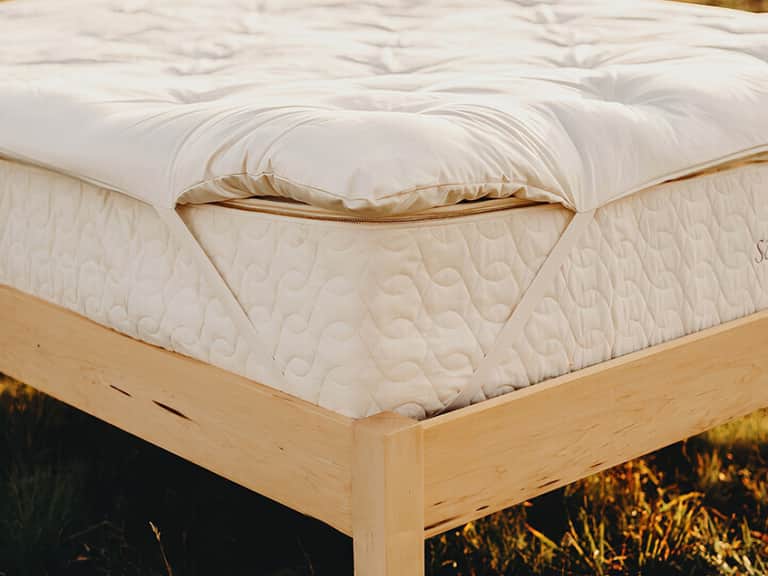
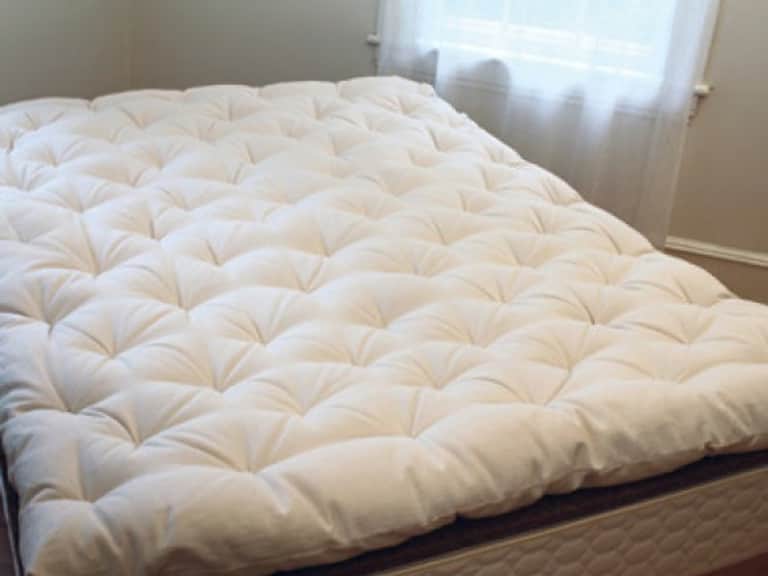
The Savvy Rest Natural Savvy Woolsy Mattress Topper is a compelling blend of natural materials and deliberate craftsmanship. Encased in a 100% organic cotton sateen cover, the topper surrounds a plush wool filling that conveys immediate comfort. Wool’s moisture-wicking properties contribute to a sleep environment that remains balanced across seasons, while its antimicrobial attributes offer practical reassurance for allergy sufferers.
The Woolsy is designed to add a generous amount of pressure-relieving padding to the mattress, creating a gentle cradle for the body. Its tall, supportive profile—approximately 3 inches—works well atop a broad range of bed types, from standard innerspring to more contemporary latex or hybrid constructions. Corner straps help keep the topper in place, reducing the nuisance of shifting during the night.
Price: $649.00
Care: Machine wash in cold water with a natural detergent; tumble dry low or hang dry.
Key Attributes: Organic cotton casing, natural wool filling, no synthetic materials, 3" height, corner straps, made in the USA, 3-year warranty.
The Savvy Rest Woolsy demonstrates a broader trend toward eco-conscious materials that blend comfort with environmental mindfulness. The model shown here is a practical example of how a topper can elevate a mattress without requiring a full replace or a dramatic reconfiguration of a sleep system.
Consumer Considerations: How to Choose the Right Pad
For a shopper without a fixed brand allegiance, a mattress pad becomes less about a single feature and more about a holistic fit to a sleep ecosystem. Below are practical steps to help you navigate:
- Clarify your goal: Is your priority comfort, protection, moisture management, or a combination? Pads and toppers can address more than one goal, but the emphasis matters when you compare options.
- Assess mattress depth: Know your mattress depth, typically expressed in inches. A pad with deep pockets or stretchy edging will stay in place better on a thick mattress than a shallow, non-elastic alternative.
- Material match: If you sleep hot, breathable cotton or wool layers offer temperature regulation, while latex responds to contouring without the high heat associated with some synthetic foams. For waterproof protection, look for thin TPU or similar membranes that minimize crinkle and noise.
- Washability and maintenance: A pad that can be machine-washed and dried at home will reduce the burden of ongoing care and hygiene. Consider the frequency of cleaning you anticipate in your household when choosing a cleaning strategy.
- Certifications and sources: Look for GOTS or other organic certifications when you prioritize natural materials. Independent verification fosters confidence in safety and environmental claims.
Sizing and Compatibility: A Quick Reference
Most mattress pads and toppers are designed to fit mattress depths ranging from 8 to 18 inches, with 18" pockets often used for deeper mattresses. If your bed is an adjustable model or uses European sizes, double-check the product’s listed compatible depths and edge stretch capabilities. In family households, choosing a pad with machine washability is often a win for sanitation and convenience.
A Look at the Market: Representative Options
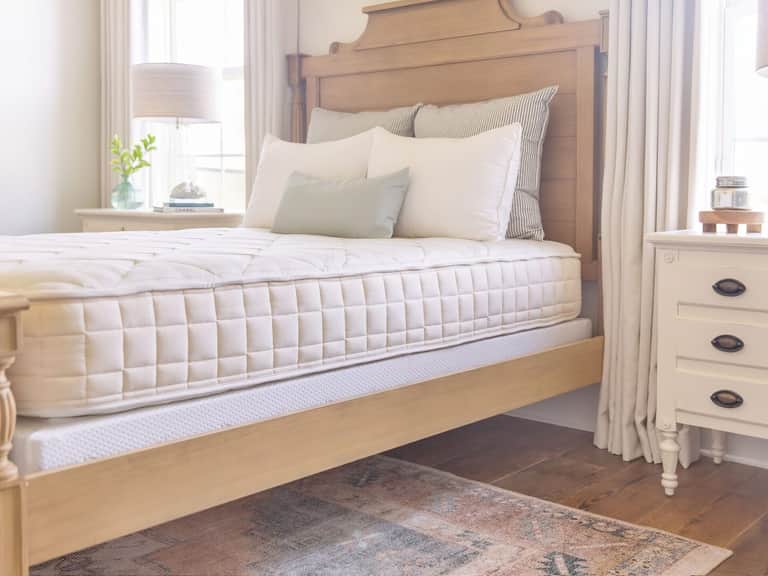
The pad landscape is rich with brands and designs. The Naturepedic Chorus Organic Cotton Mattress, with its internal microcoils and organic materials, demonstrates how a full mattress can intertwine with pad technology to deliver sleep quality. Meanwhile, the Savvy Rest Woolsy topper offers a premium wool-topper experience as a separate layer atop the mattress, showcasing how a high-quality wool fill can redefine comfort without altering the base structure too drastically.
For consumers who want a simple protective layer, waterproof pads such as Naturepedic’s waterproof options or Sleep and Beyond’s Organic Cotton Waterproof solutions provide peace of mind against spills and night-time moisture. These products often pair with a cotton or linen face for breathable comfort and a gentle, quiet sleeping experience.
The Role of the Domain: MattressPad.co as an Educational Resource
In the spirit of a National Geographic editorial, the domain MattressPad.co seeks to illuminate the science, craft, and practical considerations behind mattress pads. The goal is to present an uncluttered, informative pathway through the forest of options, allowing readers to compare materials, care needs, and practical implications for their homes.
This article has woven practical buyer tips with historical tangents and concrete product examples, so readers can visualize how pad choices feel in real sleeping environments. We also highlight a featured product to ground the discussion—without turning the piece into a sales pitch.
Conclusion: A Thoughtful Approach to Mattress Pads
Mattress pads are more than simple protectors or toppers. They represent a philosophy of sleep health, care routines, and responsible material choices. By balancing breathability, protection, and washability, shoppers can select a pad that aligns with their lifestyle—from allergy-aware households to families managing spill-prone environments.
In a world where the bed is a sanctuary, a well-chosen mattress pad can become a quiet ally—an elegant, practical instrument that harmonizes the body with the night. The guide above translates that idea into actionable, everyday decision-making.
Notes on Accessibility and Visuals
The article uses an editorial voice inspired by National Geographic, focusing on clarity, context, and a sense of wonder about natural materials and timeless design. For readers who appreciate a visual companion, the product spotlight section includes a representative product—Savvy Rest Natural Savvy Woolsy Mattress Topper (584)—to anchor the discussion with a concrete example of premium natural materials and craftsmanship.
References to Specific Products
The following is a small curated selection drawn from the available catalog to illustrate the range of pads and toppers discussed:
- Savvy Rest Natural Savvy Woolsy Mattress Topper (SAVVY REST, 584) — 3-inch wool-filled topper wrapped in organic cotton sateen, with corner straps for secure fit. Price: 649.00
- Naturepedic Chorus Organic Cotton Mattress (Naturepedic, M61) — 10-year warranty, glueless construction, organic materials, a bed-in-box type product that demonstrates integrated material choices at the mattress level.
- Savvy Rest Pastoral Wool Mattress (SAVVY REST, 600) — a latex-free wool topper with substantial organic fiber content, designed as a versatile surface layer.
These examples underscore varied approaches to padding—from layered wool and cotton to integrated organic mattress systems—across time and design philosophies.
About the Authors and Voices
The guide draws on perspectives that echo a chain of thought across distinct eras:
- The Wool Artisan (historical archetype): Emphasizes natural materials and the tactile comfort of wool as a timeless bed-layer component.
- The Cotton Steward (industrial-era perspective): Focuses on purity, safety, and the evolving ethics of textile production.
- The Modern Eco-Designer (contemporary): Bridges sustainability with performance—an architect of materials and design in the bedding space.